Dermatology
The Impact of Stress on Your Overall Health

Dr. Imran Kabir
MBBS, FCPS (Dermatology & Venereology), DDV
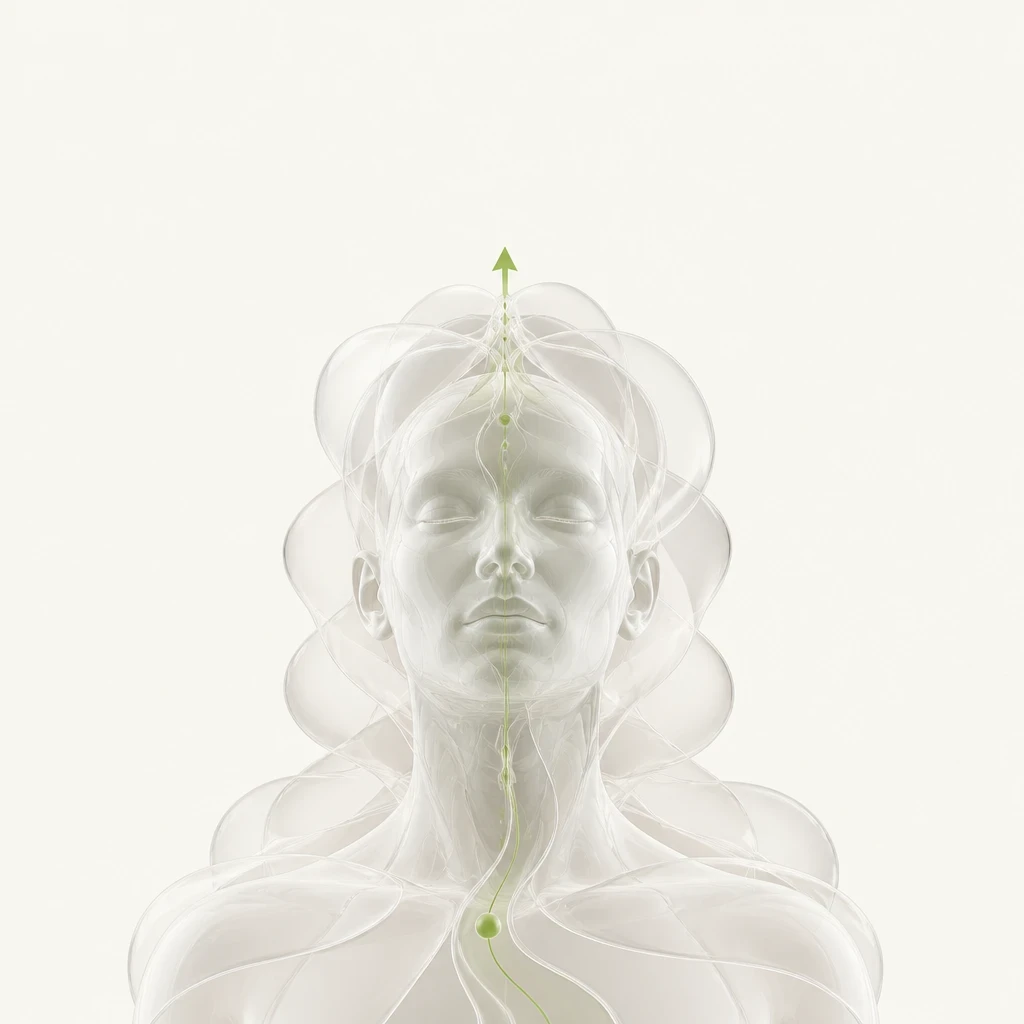


How Stress Affects the Body
When stress affects the body, it triggers a complex hormonal and nervous system response. This prepares us for immediate challenges, leading to increased heart rate and rapid breathing.
While beneficial in short bursts, prolonged stress keeps the body in a heightened state. Over time, this can result in various physical and emotional symptoms that impact overall well-being.
Common effects may include:
Difficulty sleeping
Headaches or muscle tension
Changes in appetite
Digestive discomfort
Fatigue
Difficulty concentrating
Irritability or changes in mood
Increased skin sensitivity or flare-ups
Stress and Skin Health
Skin responds to internal shifts in the body. Stress can amplify inflammation, leading to flare-ups of acne or eczema.
Increased sensitivity and dryness may occur during stressful periods. Stress can disrupt sleep and alter dietary habits.
Stress and Sleep
Stress affects sleep and mood. To improve sleep, maintain a schedule, limit activities before bed, and relax. Consult a professional if problems continue.

When Stress May Need Attention
Occasional stress is normal, but it’s a concern when symptoms persist or disrupt daily life.
Talk to a healthcare professional if stress is:
Affecting sleep regularly
Interfering with work, school, or relationships
Causing persistent physical symptoms
Making it difficult to maintain normal routines
Accompanied by significant changes in mood
Becoming increasingly difficult to manage
Practical Ways to Manage Stress
There is no single approach that works for everyone. Small, consistent changes can sometimes help reduce the effects of everyday stress.
Maintaining regular movement
Walking, stretching, or other forms of physical activity can support overall physical and emotional well-being.
Prioritizing sleep
A consistent sleep routine can help the body recover and improve resilience during stressful periods.
Eating regularly
Balanced meals and adequate hydration can help support energy levels throughout the day.
Creating breaks
Short periods away from work, screens, or other sources of stimulation can provide an opportunity to reset.
Staying connected
Talking with trusted friends, family members, or a professional can provide perspective and support.
Practicing relaxation
Breathing exercises, mindfulness, meditation, or other calming activities may help reduce physical tension.
When to Seek Professional Support
Stress may not resolve alone. A healthcare professional can assess symptoms and suggest evaluation. For new skin changes, a dermatology evaluation may help.
The Bottom Line
Stress is normal, but prolonged stress affects health and mood. Recognizing changes early is key. Seek professional help if symptoms worsen.
Understand Your Skin Health
Explore personalized evaluation and treatment options for ongoing skin concerns and changes. Button: Meet a Specialist


