Orthopedics, Bones, Joints & Movement.
Specialized care for bones, joints, and muscles to restore mobility and relieve pain.
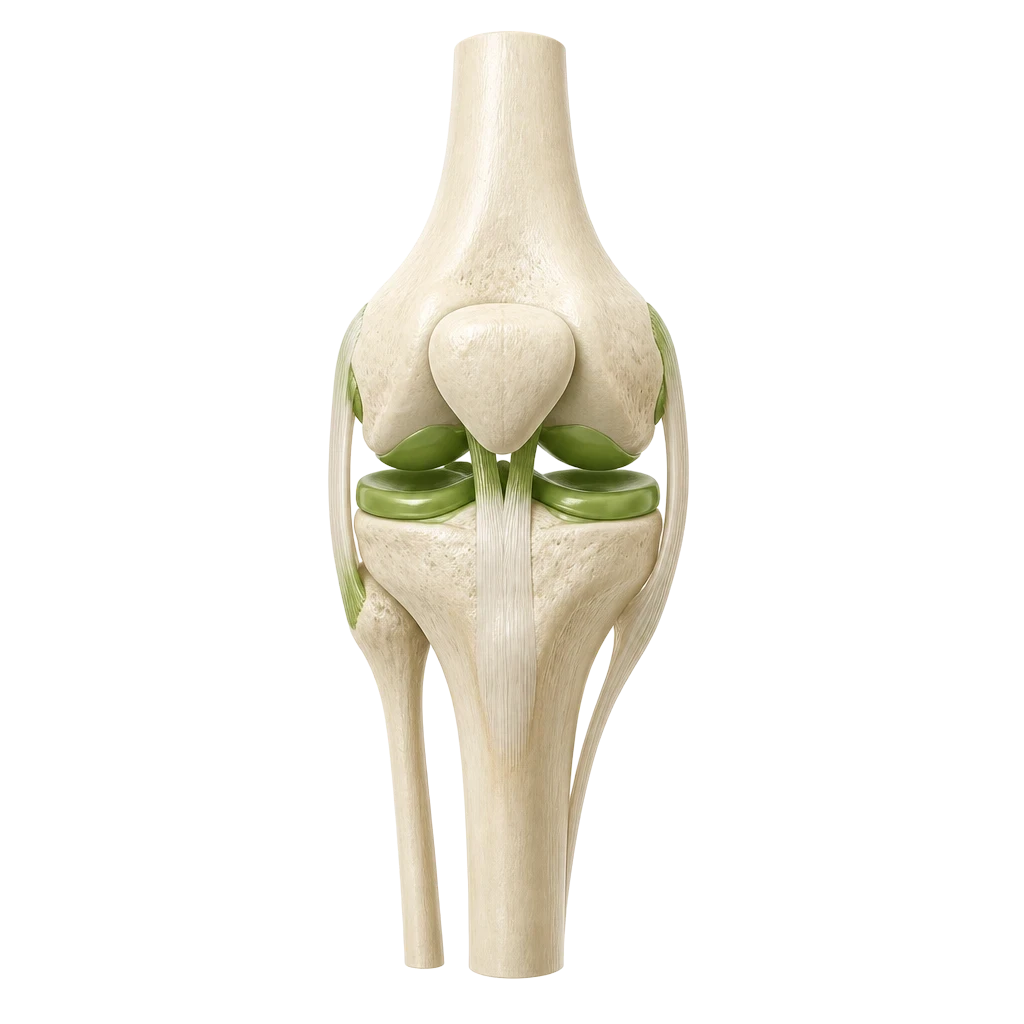


Understanding Orthopedics
Orthopedics focuses on conditions affecting the bones, joints, ligaments, and muscles. Our services help identify the cause of musculoskeletal symptoms, establish a diagnosis, and provide treatment or ongoing management.
From joint pain and fractures to sports injuries and mobility limitations, concerns can vary widely. Evaluation starts with understanding symptoms, medical history, and movement function before determining the next steps.
Conditions We Evaluate
Musculoskeletal Evaluation
Assessment of bones, joints, ligaments, tendons, and muscles to identify the source of pain or limited movement.
Joint Pain Evaluation
Assessment of pain, stiffness, or swelling in the knees, hips, shoulders, and other joints.
Fracture & Injury Assessment
Clinical assessment of fractures, sprains, and acute injuries, with diagnostic imaging when appropriate.
Sports Injury Evaluation
Evaluation of injuries related to athletic activity, including strains, tears, and overuse conditions.
Spine & Back Assessment
Evaluation of back and neck pain, disc conditions, and related mobility concerns.
Mobility & Movement Assessment
Assessment of gait, range of motion, and functional limitations affecting daily activity.
Diagnostic Testing
When additional testing is needed, orthopedic evaluation may include:
X-ray imaging
Magnetic resonance imaging (MRI)
Computed tomography (CT)
Bone density testing
Joint aspiration
Laboratory testing
When To See An Orthopedic Specialist
Orthopedic evaluation may be appropriate for symptoms such as:
Persistent joint pain or swelling
Limited range of motion
Recent fracture or injury
Back or neck pain
Sports-related injury
Muscle or ligament strain
Difficulty walking or bearing weight
Chronic stiffness
Recurring instability in a joint
How Orthopedic Evaluation Works
01 - Initial Assessment
An orthopedic specialist reviews symptoms, medical history, activity level, and relevant previous test results.
02 - Musculoskeletal Examination
The examination may assess joint stability, strength, range of motion, and areas of tenderness.
03 - Diagnostic Testing
When clinically indicated, X-rays, MRI, or other imaging may be recommended.
04 - Diagnosis & Treatment Plan
Findings are reviewed to determine the likely condition and appropriate treatment or management approach.
05 - Ongoing Management
Recovery is monitored over time, with treatment adjusted as mobility and strength improve.
Why Orthopedic Care
Requires Follow-Up
Musculoskeletal conditions require multiple visits. Symptoms change, treatments adjust, and follow-up helps monitor and adjust plans.
Orthopedics, Bones, Joints & Movement.
Specialists


Where Is This Package Available?



Ready To Arrange A Neurology Appointment?
Start with a neurological evaluation to understand the symptoms and determine the appropriate next step.